

Recovering from surgery requires more than rest; it starts with proper nutrition. A post-surgery diet plays a critical role in healing, reducing complications, and regaining strength. While general guidelines exist for foods to eat after surgery, each procedure may have specific requirements. Always consult your doctor or a registered dietitian for personalized recommendations.
Why a Post-Surgery Diet Matters
After surgery, your body needs extra energy and nutrients to repair tissues, fight infections, stay hydrated and regain strength. Proper post-operative nutrition supports:
- Wound healing
- Immune system function
- Muscle maintenance
- Digestive health
Top Foods to Eat After Surgery
1. Protein-Rich Foods
Protein is vital for tissue repair and recovery. Include:
- Lean meats like chicken and turkey
- Fish
- Eggs
- Dairy products such as milk, yogurt, and cheese
- Plant-based protein sources like beans, lentils, and tofu
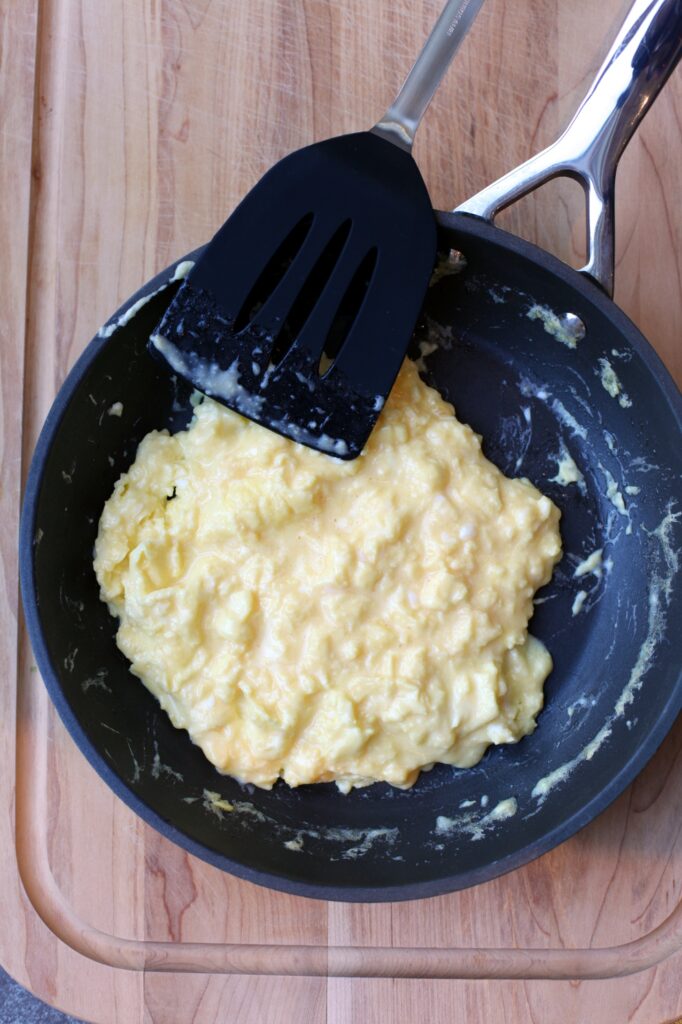
Creamy Scrambled Eggs by Estee Kafra
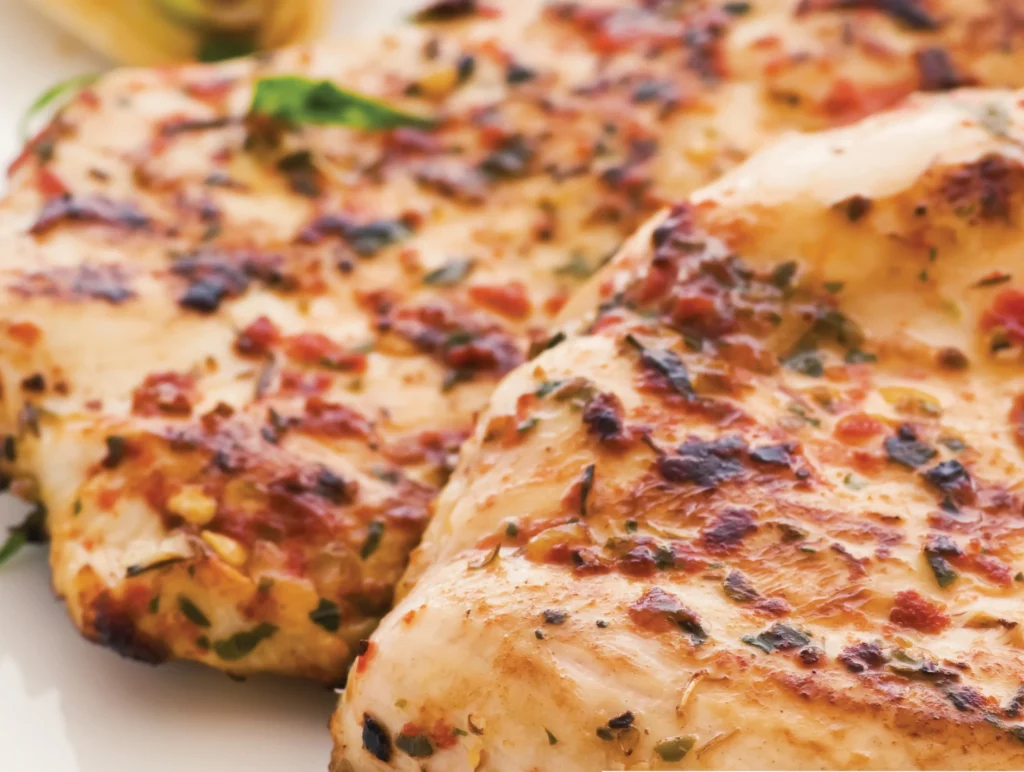
Embarrassingly Easy Chicken Cutlets by Bruchy Duschinsky
2. Fruits and Vegetables
Packed with vitamins, minerals, and antioxidants, these foods help your body heal faster:
- Berries, oranges, and kiwi (vitamin C for tissue repair)
- Leafy greens and broccoli (vitamin K for blood clotting)
- Carrots and sweet potatoes (beta-carotene for immune support)
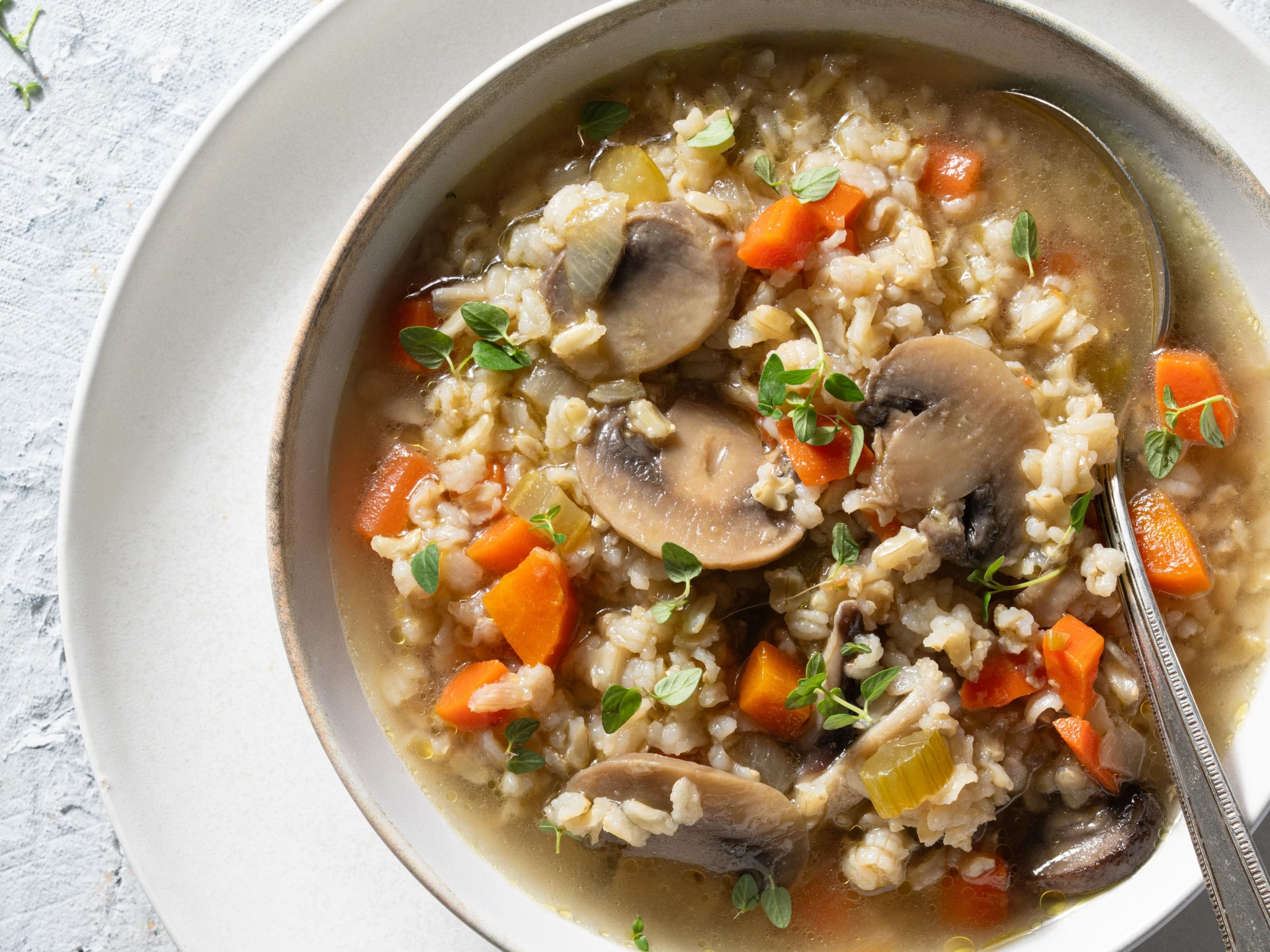
Mushroom-Rice Soup by Odaiah Leeds
Fruity Smoothie by Gitty Friedman

3. Whole Grains
Provide fiber and energy for recovery:
- Oats, brown rice, quinoa, whole-grain bread
Overnight Oats by Victoria Dwek

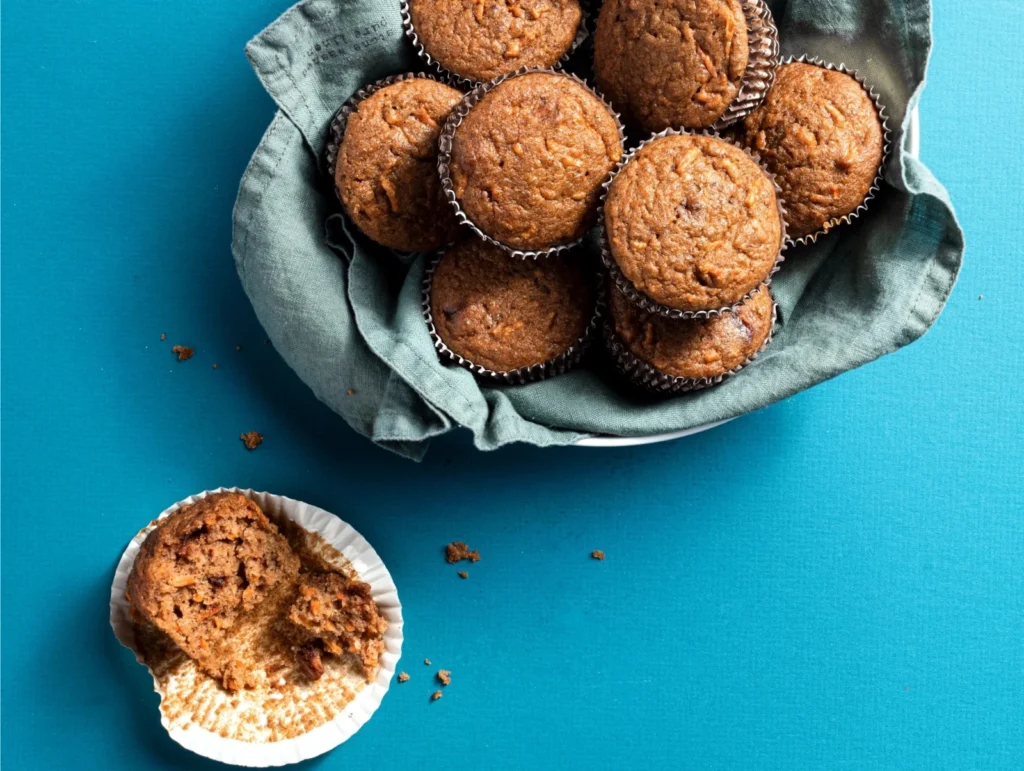
Carrot-Quinoa Power Muffins by Chavi Feldman
4. Healthy Fats
Healthy fats reduce inflammation and support cell growth:
- Avocado, nuts, seeds
- Olive oil or other plant-based oils
Take-Along Avo Toast by Sylvia Fallas

5. Hydration
Staying hydrated is crucial for healing and digestion:
- Water, herbal teas, and broths
- Limit sugary drinks and caffeine
Bone Broth by Chay Wike

Rorie’s Electrolyte Drink, or Popsicles by Rorie Weisberg

Foods to Avoid After Surgery
- Processed and fried foods – Slows digestion and increases inflammation
- Sugary foods and beverages – May impair immune function
- Alcohol – Interferes with healing and can react with medications
- High-sodium foods – Can cause fluid retention and raise blood pressure
Special Considerations by Surgery Type
Different surgeries may require tailored post-operative diets:
- Gastrointestinal surgery – Often requires soft foods or liquid diets initially
- Dental or oral surgery – Soft, cool foods; avoid crunchy, spicy, or hard foods
- Heart surgery – Focus on low-sodium, heart-healthy foods
- Joint or orthopedic surgery – Adequate protein and calcium for bone and tissue repair
Disclaimer: This guide is for general informational purposes only. Your post-surgery diet may vary depending on your specific procedure, overall health, and recovery progress. Always follow your doctor’s or dietitian’s instructions regarding foods you can safely eat after surgery.

When leaving comments on kosher.com we ask that you be respectful, appropriate, and stay on topic. Click here to read our full comment policy.
Kosher.com Commenting Guidelines
We love hearing from our community! Constructive feedback, tips, questions, and friendly engagement are encouraged.
By commenting on Kosher.com, you agree to follow these guidelines. Please note that comments are for community discussion only and should not be considered halachic guidance—always check with your own Rabbi or LOR.
1. Be Respectful
2. Keep It Appropriate
3. Protect Privacy
4. Stay On Topic
5. Moderation