

Sponsored by Heaven & Earth
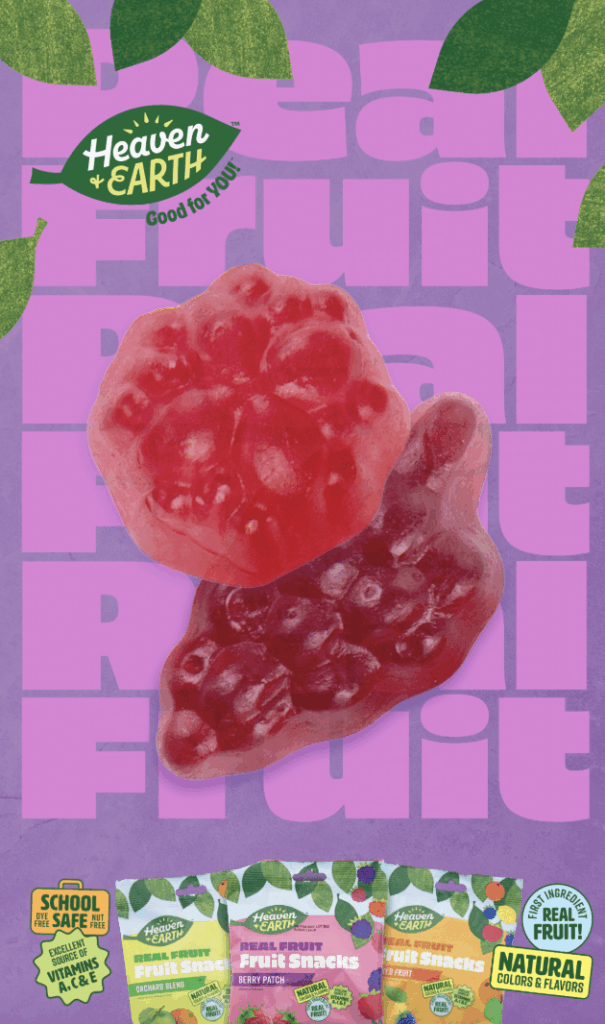
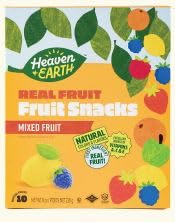
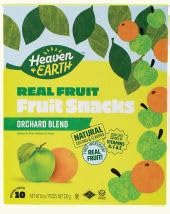
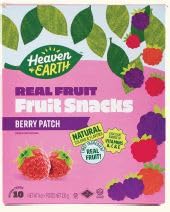
You know how snacks can be a total minefield sometimes? As a dietitian (and honestly, as a mom/fellow snacker), I hear a lot of questions about what’s in our food—especially those artificial dyes. Lately, this topic has been getting a lot of attention, and for good reason. With government talks about the potential risks, it makes sense that more people are looking for dye-free options. The good news? Choosing snacks without artificial colors is an easy way to make smarter choices without feeling like you’re missing out, thanks to Heaven & Earth.
Why Go Dye-Free?
Those neon candies and bright gummies might catch your eye, but the dyes that make them pop can come with some downsides. Studies suggest links to hyperactivity in kids and even allergic reactions. In fact, a 2021 study in the Journal of Nutrition found that artificial food coloring might worsen ADHD symptoms in children. Some agencies are even pushing for stricter labeling—or bans—on certain dyes. So, going dye-free is a simple way to look out for your family’s health while still keeping snack time fun.
Balancing Treats with Nutrient-Packed Foods
Here’s the thing: treats don’t have to be off-limits. I promise, enjoying a few dye-free gummy candies doesn’t mean you’ve thrown healthy eating out the window. It’s all about balance. Instead of thinking in black-and-white—good food vs. bad food—try these ideas to make snacks both fun and nourishing:
1- Snack Boards Are Your Friend
Throw together a snack board with fresh fruit, crunchy veggies with hummus, and a few gummy candies. It’s colorful, engaging, and gives kids a little bit of everything.
2- Smoothie Bowls with a Fun Twist
Blend up a smoothie bowl with spinach, banana, and almond milk, then sprinkle a few dye-free candies on top. Sweet, satisfying, and packed with nutrients.
3- Give Kids Choices
Let kids assemble their own snacks from a few options. Giving them control helps foster positive relationships with food, and makes snack time a little more exciting.
4- Make Snack Time Mindful
Sit down together without screens and really enjoy the snacks. Talk about flavors, textures, and what you like. It’s a small thing that helps everyone tune into their bodies while making snack time more fun.
Keep It Positive
Avoid labeling foods as “good” or “bad”—that just sets up guilt or cravings. A balanced approach, where all foods have a place, helps kids (and adults!) build a healthy relationship with eating.
Getting Everyone on the Same Page: Teachers, Grandparents, and Friends
One thing I hear a lot from parents is how tricky it can be when kids are in the care of teachers, grandparents, or friends—especially when it comes to snacks. You might be feeling great about dye-free choices at home, but what about when your child is at school or at a playdate? The key here is communication (without feeling pushy).
Start With Teachers:
Send a friendly note or email letting them know your child does best with dye-free or certain types of snacks. Most teachers appreciate the heads-up, and it helps prevent any accidental meltdowns or tummy troubles. You could even offer a few suggestions or send a small stash of approved snacks to keep in the classroom.
Loop in Grandparents:
Grandparents often love spoiling their grandkids (and who can blame them?), but you can gently guide them toward your snack preferences. Frame it in a positive way: “We love when you give treats, and here are a few options we’ve found that work really well for us.” Making it easy for them to follow along helps everyone feel good.
Friends’ Parents and Playdates:
It can feel awkward to ask for specific snacks at playdates, but most parents are happy to accommodate when you explain your approach. Try something simple like, “We’ve been doing mostly dye-free snacks at home—would it be okay if my child brought a snack from our stash?” This sets expectations without judgment.
The goal isn’t to be controlling—it’s about helping everyone support your child’s well-being in a consistent, gentle way. Over time, this kind of communication becomes second nature, and your child learns that snack choices are just part of caring for their health.
Final Thoughts
Dye-free snacks are a simple, proactive way to make healthier choices, but remember, it’s all about balance. Mix in nutrient-dense foods alongside the occasional sweet, and you’re creating a positive, enjoyable approach to snacking for the whole family.
Snack time doesn’t have to be stressful—let’s make it fun! And hey, I’d love to hear your favorite dye-free snack combos. Share them in the comments and let’s swap ideas.
References:
1. M. R. de Meter et al. "Artificial Food Colorings and Attention-Deficit/Hyperactivity Disorder: A Systematic Review." Journal of Nutrition, vol. 151, no. 2, 2021.
2. F. Trondalen et al. "The Impact of Parental Involvement on Children’s Eating Patterns."
Appetite, vol. 156, 2020.
Bio:
Checkout Beth’s new NOURISHED by Beth weight & wellness programs and online course on www.nourishedbybeth.com . For appointments or bookings, call (732) 927-0072. Follow her on Instagram & TikTok @nourishedbybeth

Reviews