
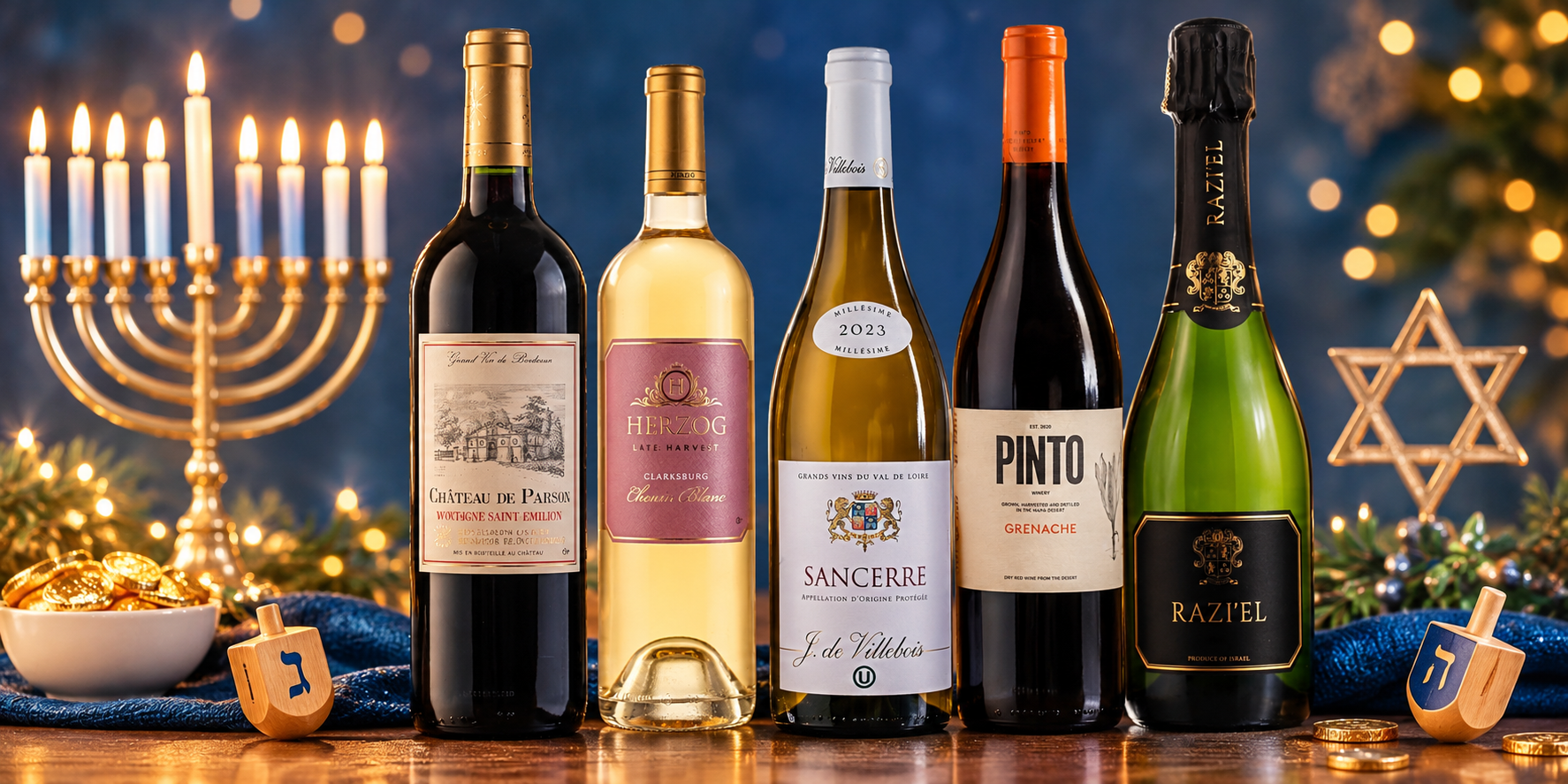
This year, Chanukah comes with an upgrade. Every year we ask each other the same question: “What are you doing for Shabbos Chanukah?” Or, more importantly for readers of this column, “What are you drinking for Shabbos Chanukah?” Well, this year there are two of them! Chanukah begins with Shabbos and ends with Shabbos: we light the first candle on Friday afternoon, December 4th, and the eighth candle a week later, again right before Shabbos. Two Shabbos Chanukah tables, and plenty of kiddushim in between. For a wine lover, that’s what I call a well-planned calendar! (I take no credit, the luach was fixed long before my time.)
It also makes for a fun puzzle. The Friday night seudah calls for one kind of bottle, the motzei Shabbos Chanukah party for another, and the weeknight latke-and-sufganiyah marathon has demands of its own. The common thread, of course, is oil. To remember that one little jar of pure olive oil that lasted eight days, we fry just about everything we can get our hands on. Rich, oily food needs a wine with bright acidity or lively bubbles to cleanse the palate, so that the fifth latke tastes as good as the first. Not that anyone is counting.
So rather than crowning one “Chanukah wine,” I tried to cover the whole week: a pair of reds for the Shabbos table, a crisp white for the fried fish, something sweet for the donuts, and a very special sparkling wine for the grand finale. Five wines from three countries, each with a little story to tell over the flickering lights. L’chaim and Chanukah Sameach!
Château de Parsac, Montagne-Saint-Émilion, 2024:
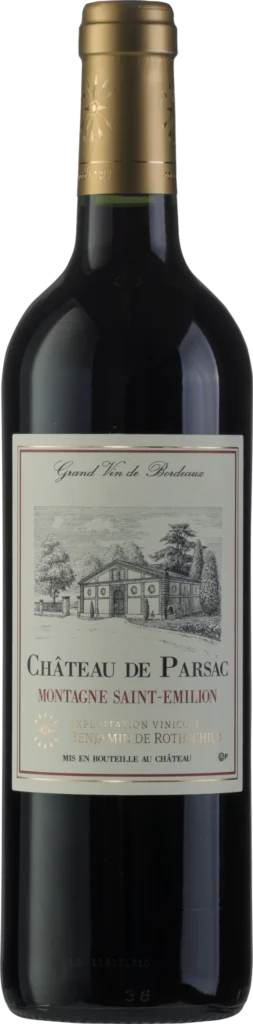
Let’s open the first Friday night with a Right Bank classic from Montagne-Saint-Émilion, just north of its famous namesake, where Merlot leads with Cabernet Franc in support. The 2024 offers fresh raspberry and cherry, a touch of vanilla and spice, and earthy tobacco leaf. Round and fleshy, with velvety tannins and a long, fruity finish. Being mevushal, it’s a smart pick for the shul kiddush. Serve it with roast chicken, brisket, or latkes fried in schmaltz, if you dare. Retail: $20–$30.
Herzog, Late Harvest, Chenin Blanc, 2025:
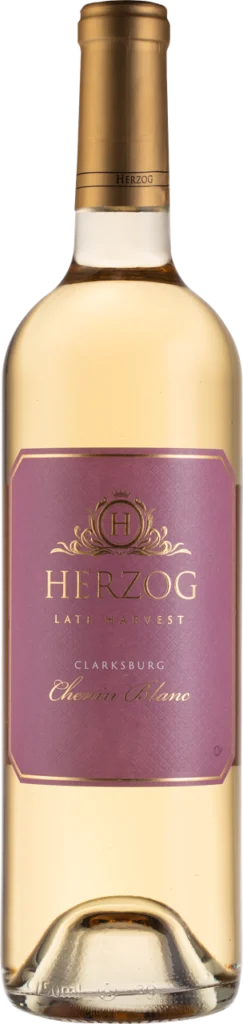
Every Chanukah lineup needs a wine for the sufganiyot. The Late Harvest comes in brand-new packaging this year, and the style has changed too: fuller-bodied and heavier than the brighter Late Harvest you may remember, a richer dessert wine without trying to be overly complex. Expect honeyed apricot, ripe pear and tropical fruit, with a lingering finish of honey and stone fruit. Try it with jelly donuts, apple-cinnamon latkes or a warm apple strudel. Retail: $20–$30.
J. de Villebois, Touraine, Sauvignon Blanc, 2025:
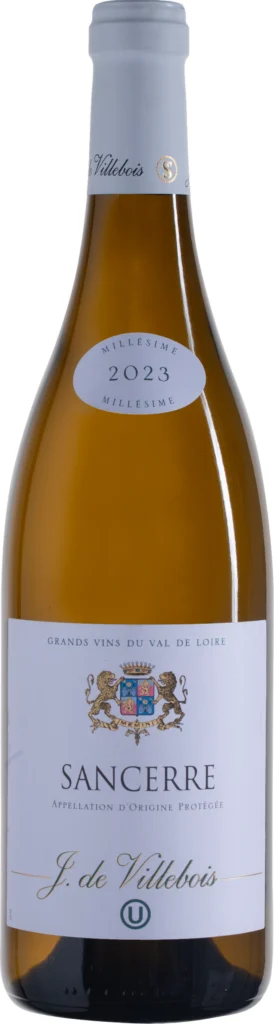
From Bordeaux we head north to the Loire Valley, where Sauvignon Blanc is the specialty of this family estate. Their flagship Touraine grows on clay and flint slopes above the Cher river. White flowers and exotic fruit lead to a fresh, lively palate of citrus and saline minerality, with a long, mouthwatering finish. That acidity is exactly what fried food is crying out for. Pour it with fried fish, schnitzel or a big plate of crispy latkes. Retail: $15–$25.
Pinto, Grenache, 2024:
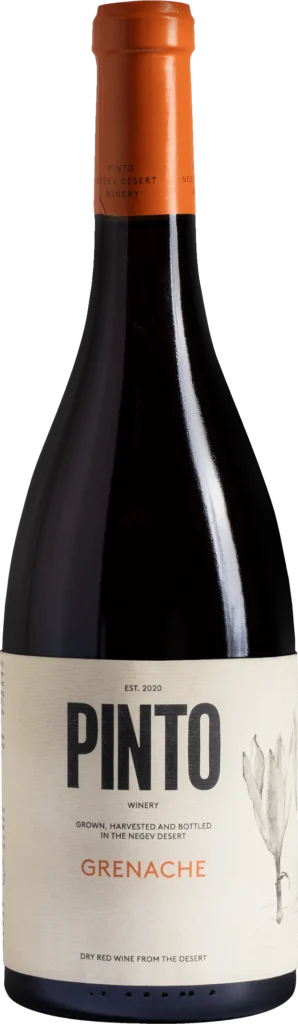
From the Loire all the way to the Negev Desert, where the Pinto family set out to prove that desert vineyards can make truly fine wine. This 100% Grenache comes from hand-harvested old bush vines in Yeruham. Raspberry, blackberry and cassis meet allspice, white pepper and fresh herbs. Light in character but rich in flavor, with wonderful acidity and a long finish. The winery suggests Neapolitan pizza; I say make it a Chanukah pizza night! Retail: $35–$45.
Raziel, Sparkling Brut Nature, 2018:
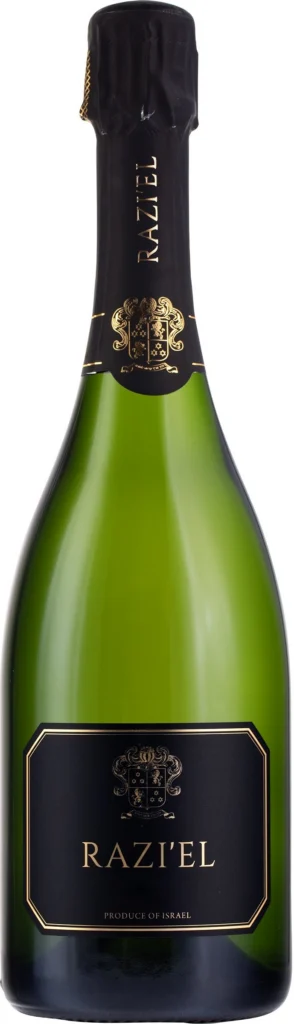
For the grand finale, the eighth candle and the second Shabbos Chanukah, something truly special. Razi’el is the Ben Zaken family’s return to their Judean Hills roots in Ramat Raziel. This Chardonnay–Pinot Noir sparkler is made in the méthode traditionnelle and rested five long years on its lees. Zero dosage keeps it bone-dry, with precise citrus and striking freshness, while the lees ageing adds rich, mature notes. Pour it with latkes and smoked salmon, or simply to toast the miracles, then and now. Retail: $90–$100.

Photos from Our Community
See how these recipes turned out in real kitchens. Photos from home cooks will appear here as they're shared.
Tell Us What You Think
Your review could help someone decide what's for dinner tonight. Log in to join the conversation.
Log in to join the discussion0 Comments
Do you want to rate this post?
Edit your rating
Choose a new star rating and save it.
Moderation
Report
Kosher Comments
Kosher Comments
Add a link
Posting comment
Your comment will be posted in a moment...