
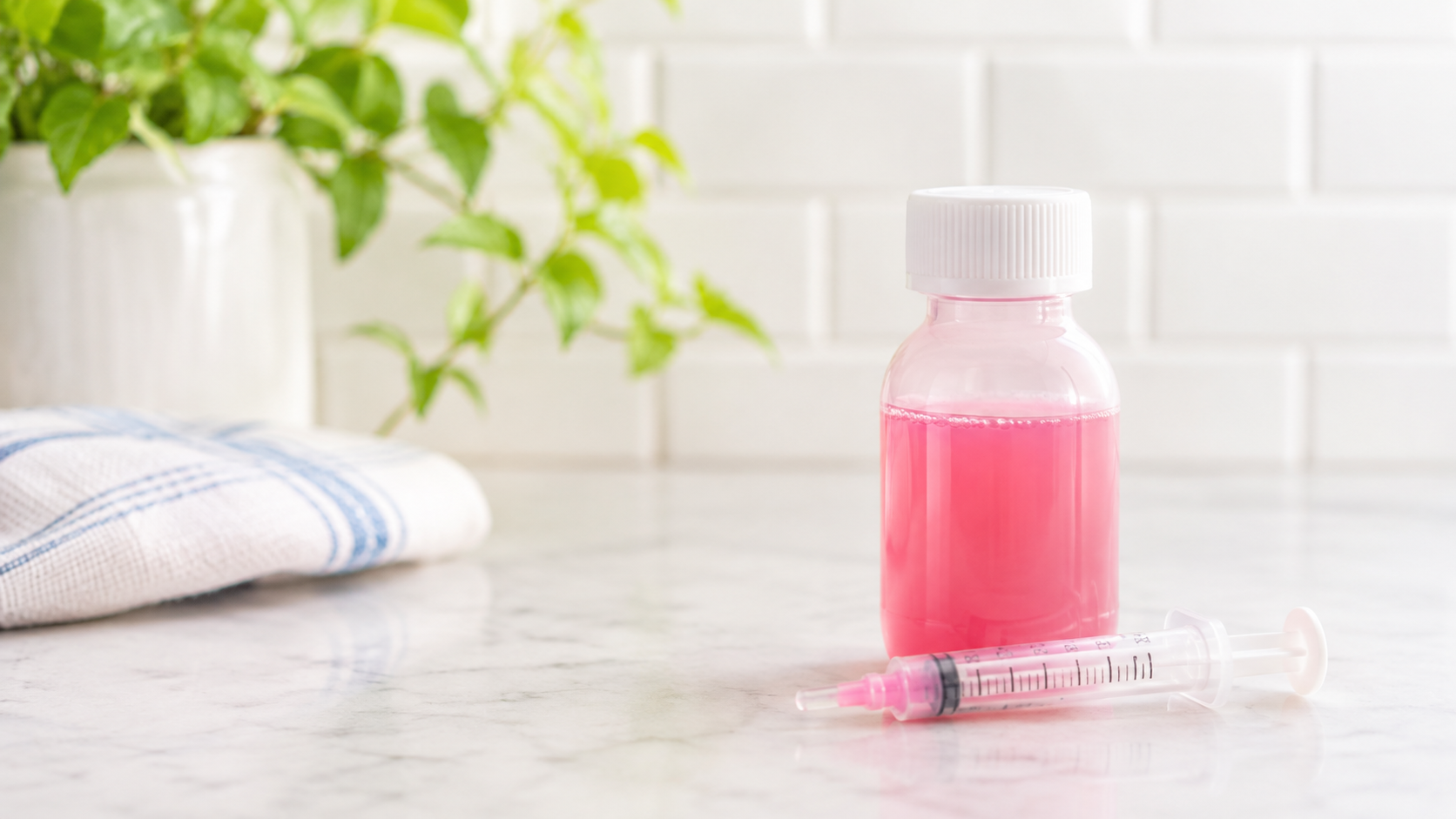
I have so much to say on this topic. My oldest is super easy to give medicine to. Bribes always work, and we usually finish off with a smile. My second-born, on the other hand, is IMPOSSIBLE to give medicine to. We’ve tried every method, spoken to countless doctors and friends—you name it. Somehow, this kid adapts to every trick we come up with and manages to avoid swallowing anything.
It does get easier with age, but for the parents who are struggling right now and panicking when their kids refuse fever reducers or prescription medication, I get it. It can be incredibly frustrating, especially when your child is sick and you’re just trying to help them feel better.
As cold and flu season approaches, I thought some of you might benefit from hearing what has and hasn’t worked for us, along with advice we’ve picked up from professionals and other parents. There’s no one-size-fits-all solution; every child is different, and what works one day might not work the next. But here are seven methods worth trying when your child refuses to take medicine.
1. Bribes
No judgment here! Sometimes a little incentive is all it takes. A sticker, a small treat, a favorite show, or getting to choose a special activity afterward can make medicine feel a little less dreadful. For some kids, knowing there’s a reward waiting at the finish line is enough motivation to get it done. Sometimes, taking a bite of a pretzel or soft candy after every one ml helps get the kid through it.
2. Disguising it in a drink
If your child is sensitive to the taste, masking it can sometimes help. Ask your child’s pediatrician and pharmacist whether the specific medication can be mixed with a small amount of juice, chocolate syrup, or another strongly flavored drink. If it’s allowed, use just a little so you know your child finishes the entire dose. Don’t mix medicine into a full cup or bottle that they might not finish.
Some medications shouldn’t be altered, so ask your child’s pediatrician and pharmacist whether this is recommended.
3. Powders, chewables or suppositories
Sometimes the problem isn’t the medicine itself, but the liquid form. Depending on the medication and your child’s age, a powder, dissolvable tablet, chewable, or suppository version may be easier to manage. Ask your pediatrician and pharmacist whether there’s an equivalent option available. I’ve also asked for powders that can safely be mixed into foods like ice cream or applesauce and have had luck with that. Mix the entire dose into the first spoonful to ensure your child receives the full dose.
4. Enhanced flavoring at the pharmacy
Many pharmacies offer flavoring options for certain liquid medications. You may be able to choose from flavors like grape, strawberry, bubble gum, or cherry to make the medicine more appealing. It won’t necessarily make it taste like candy, but for a child who can’t stand the original flavor, it may make a difference. Call ahead to see if your pharmacy offers this service.
5. Turn it into a game
A little creativity can go a long way. Let your child play doctor and give a stuffed animal its pretend medicine first, use a sticker chart to track doses, or let them choose their own medicine-taking cup or syringe.
Another idea a pediatrician once gave me is to get another family member involved. Mix the medicine into a spoonful of chocolate syrup, have someone else in the family eat their spoonful, and count how long it takes them. Then, have the child who needs the medication go next and see if they can swallow just as fast. As mentioned above, always ask your child’s pediatrician and pharmacist whether the specific medication can be mixed with a small amount of food or beverage first. Some medications shouldn’t be altered.
6. Inside the cheek
This is a technique some parents have heard about for helping younger children swallow liquid medicine: gently placing the medicine inside the cheek and lifting their chin to encourage swallowing. Ask your pediatrician to demonstrate a safe technique before attempting this. Never squirt medicine toward the back of the throat.
7. If all else fails, speak to your child’s pediatrician
If you’ve tried everything and your child still won’t take the medication, call the pediatrician. They may be able to suggest a different flavor, formulation, dosing schedule, or alternative medication. If your child spits out or vomits a dose, don’t automatically give another one; ask the doctor or pharmacist what to do. And if the medication is important or time-sensitive, don’t wait until the next dose to ask for help.
Most importantly, don’t feel like you’re doing something wrong if medicine time is a battle in your house. Some kids are easygoing about it, and others could give a professional negotiator a run for their money. We’ve been on both sides, and I promise, you’re not alone!


Photos from Our Community
See how these recipes turned out in real kitchens. Photos from home cooks will appear here as they're shared.
Tell Us What You Think
Your review could help someone decide what's for dinner tonight. Log in to join the conversation.
Log in to join the discussion0 Comments
Do you want to rate this post?
Edit your rating
Choose a new star rating and save it.
Moderation
Report
Kosher Comments
Kosher Comments
Add a link
Posting comment
Your comment will be posted in a moment...