

Shailoh of the Week by Rabbi Zvi Nussbaum
Rabbinic Coordinator, Kosher Hotline Administrator for the Orthodox Union
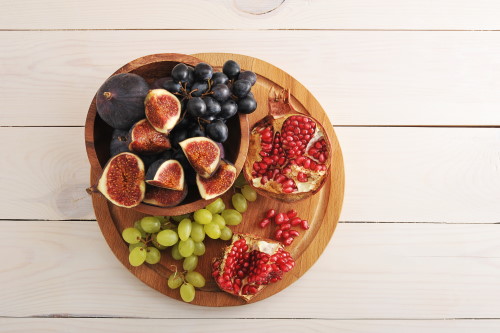
The Magen Avrohom (131:16) writes that there is a minhag on Tu Bishvat to eat many varieties of fruit. Some poskim write that one should especially eat the fruit of the species with which the land of Israel was blessed (grapes, figs, dates, olives, and pomegranates) [Yalkut Yosef – Minhagei Tu Bishvat]. The Bnei Yisaschar (Ma’amer Chodesh Shevat) writes that there is a minhag to daven on Tu Bishvat that one should merit a kosher and beautiful esrog. Piskei Teshuvos (288:7) writes that such a tefilah may even be said on Shabbos. However, one who sells esrogim should not say this tefilah on Shabbos, since his concern is for success in business and it is inappropriate to pray for one’s business dealings on Shabbos.
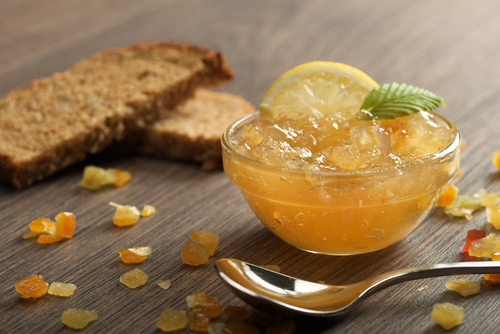
Some have the minhag to eat etrog jam on Tu Bishvat. Mishnah Berurah (225:16) writes that one does not recite the bracha of shehechiyanu, even if one has not eaten an esrog this season. Since the esrog can live on the tree the entire year, it does not have a specific season.


Photos from Our Community
See how these recipes turned out in real kitchens. Photos from home cooks will appear here as they're shared.
Tell Us What You Think
Your review could help someone decide what's for dinner tonight. Log in to join the conversation.
Log in to join the discussion0 Comments
Do you want to rate this post?
Edit your rating
Choose a new star rating and save it.
Moderation
Report
Kosher Comments
Kosher Comments
Add a link
Posting comment
Your comment will be posted in a moment...