


My family and I recently went to our first BBQ of the season, and it was the perfect day. The kids were bouncing together in the bouncy house, the weather was beautiful, and everyone was enjoying themselves.
Meanwhile, I couldn't help but keep glancing over at the grill. Our friend was grilling with ease, and before long, we heard the words everyone loves: "Food's ready!"
Of course, I had questions. Where did you buy it? Is it easy to use? Do you like the brand? Would you recommend it?
As a first-time grill shopper, I realized I probably wasn't the only one wondering these things. So I headed to my local home improvement store, which specializes in grills, and asked all the questions I could think of, so you don't have to.
Below is a nutshell version of everything I learned. What to look for, different considerations, and how to figure out which grill is right for you.
Here's to grilling for Shabbos, weeknights, Father's Day, backyard parties, and everything in between!
Start With Fuel Type
The first decision is choosing the type of fuel that best fits your lifestyle.
Gas Grills
Gas Grills are the most popular option for beginners because they're simple and convenient. Most use a standard 20-pound propane tank, while some connect directly to a home's natural gas line.
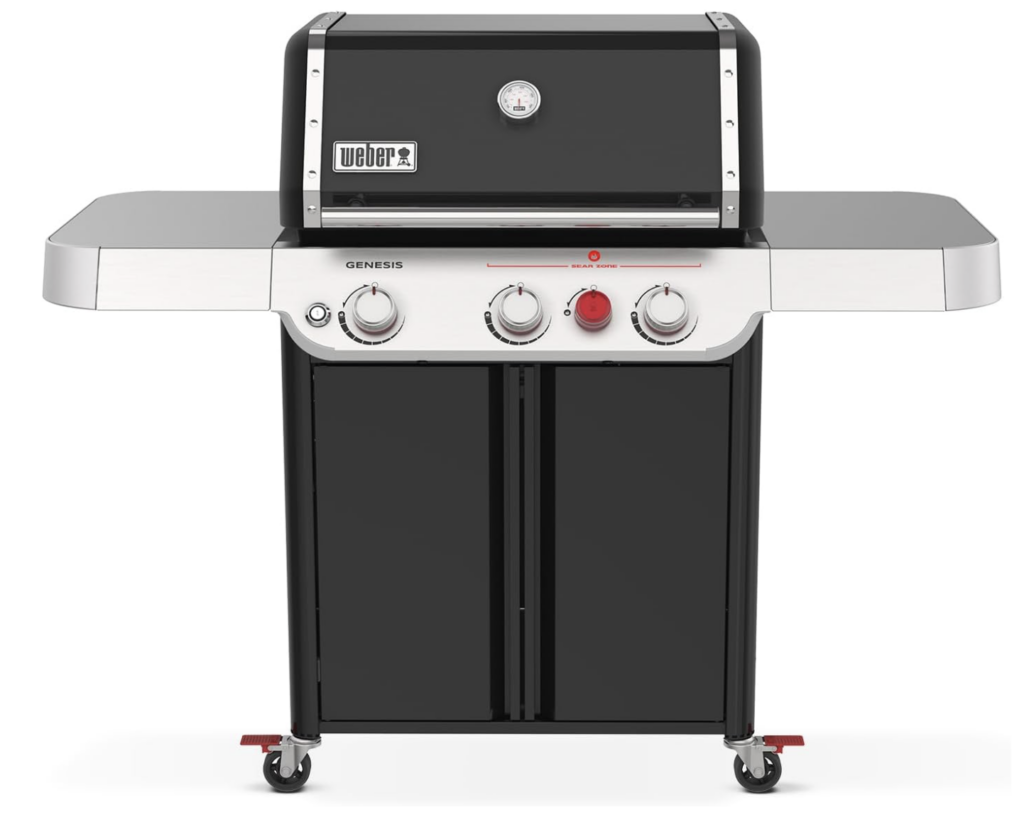
Pros:
-Heat up in 10–15 minutes
-Easy temperature control
-Great for quick weeknight meals
-Minimal cleanup
Cons:
-Less smoky flavor than charcoal or wood
-Propane tanks need to be refilled or exchanged
Best for: Families who want a reliable, easy-to-use grill without a learning curve.
Charcoal Grills
Charcoal Grills are known for producing the classic smoky flavor many people associate with backyard barbecue.
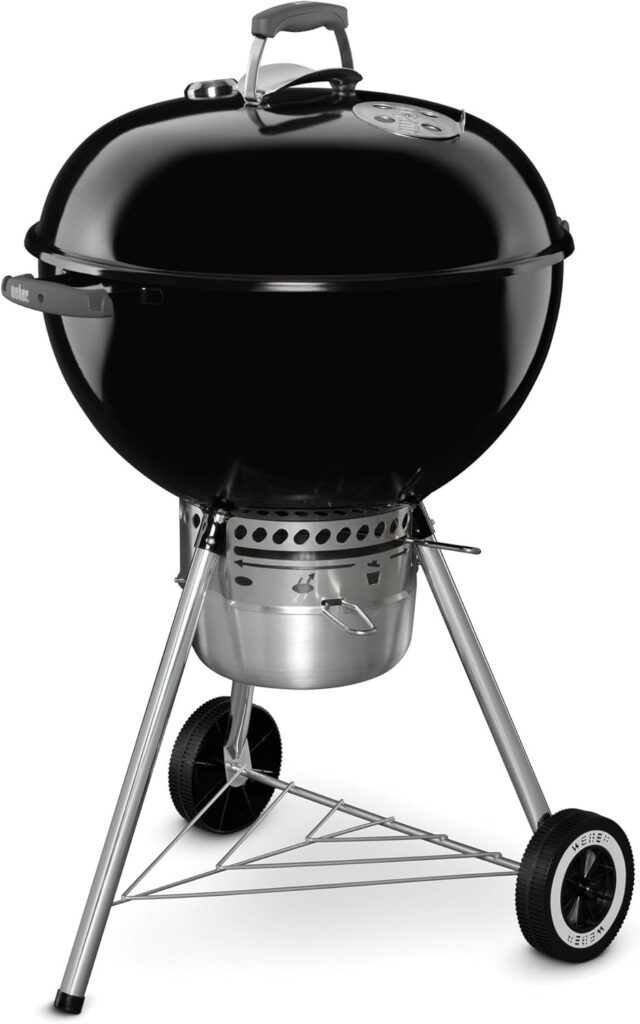
Pros:
-Rich, smoky flavor
-Usually more affordable upfront
-Can reach very high temperatures for searing
Cons:
-Takes longer to heat up
-Requires more temperature management
-Cleanup involves disposing of ash after each use
Best for: Grillers who enjoy the cooking process and prioritize flavor over convenience.
Pellet Grills
Pellet Grills use compressed wood pellets and electronically control the temperature.
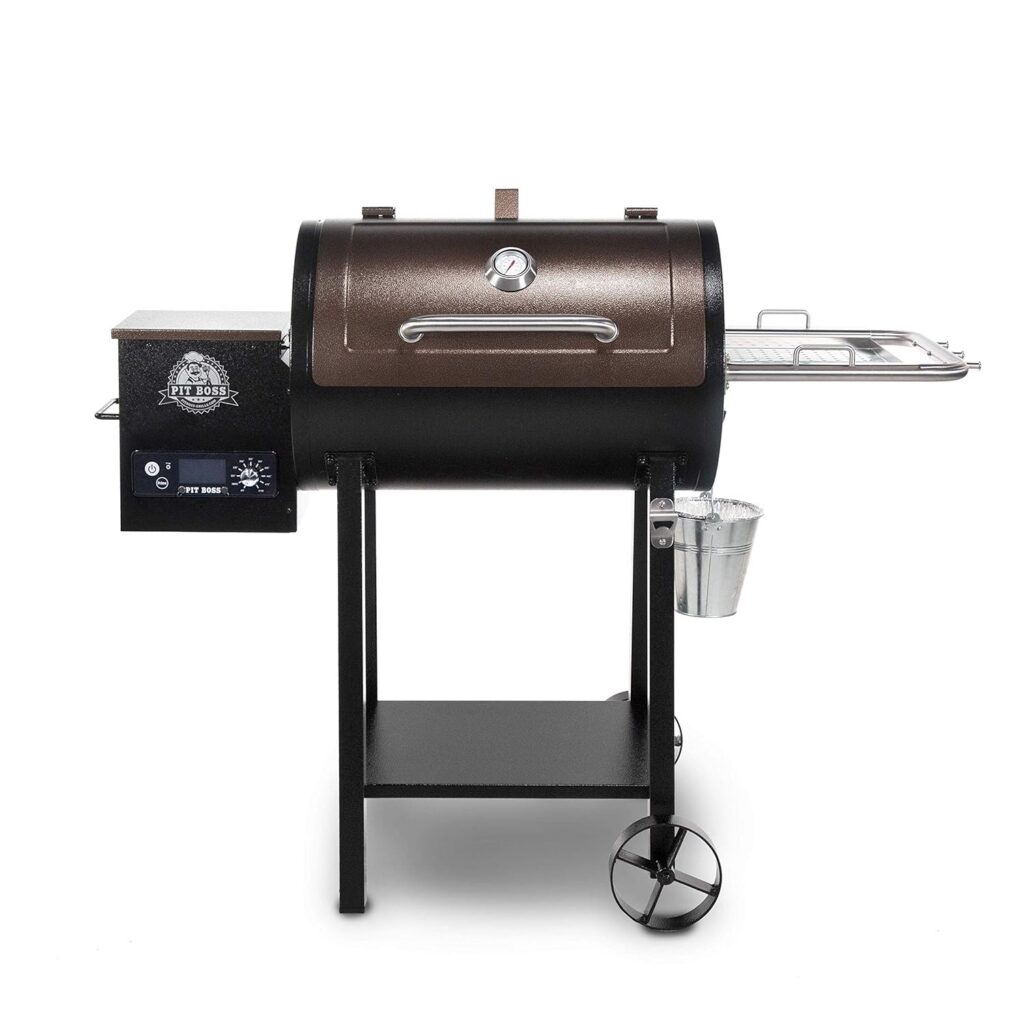
Pros:
-Consistent temperatures
-Excellent for smoking and slow cooking
-Adds authentic wood-fired flavor
Cons:
-Typically more expensive
-Requires electricity to operate
-Pellets need to be kept dry
Best for: People who want versatility and enjoy cooking everything from brisket to burgers.
Electric Grills
Electric grills plug into a standard outlet and are often used where gas or charcoal grills aren't allowed.
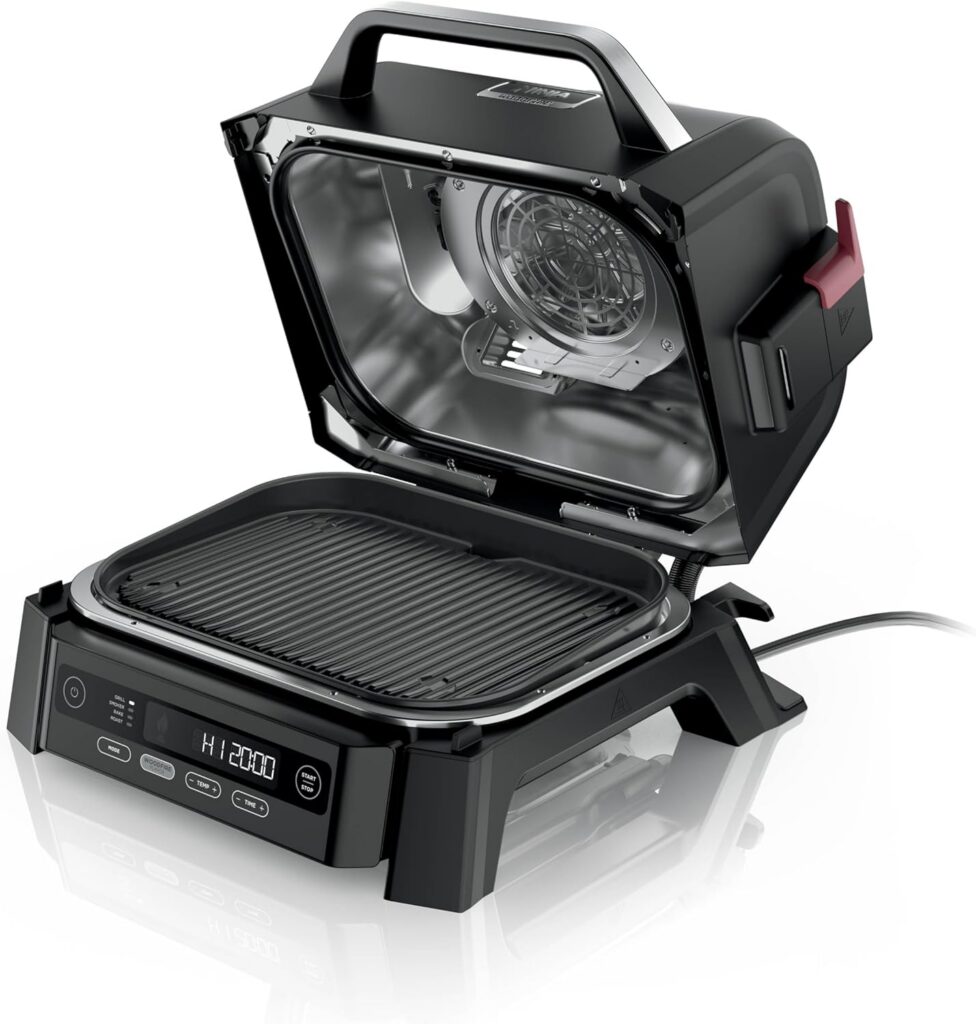
Pros:
-Easy to operate
-No fuel storage required
-Suitable for balconies and small spaces
Cons:
-Less authentic grilled flavor
-Lower maximum cooking temperatures
Best for: Apartment dwellers and those with limited outdoor space.
Fuel Costs and Availability
The purchase price is only part of the cost. You'll also need to think about fuel.
-Propane: Convenient and widely available. A standard tank can last several grilling sessions, depending on usage.
-Charcoal: Usually affordable, but you'll need to replenish charcoal and fire starters regularly.
-Wood Pellets: Typically cost more than charcoal but offer excellent flavor and temperature consistency.
-Electricity: Generally the least expensive fuel source, though cooking performance may be more limited.
Think about how easy it is to purchase fuel in your area and how often you'll be grilling.
Size and Cooking Space
Bigger isn't always better.
For couples or small families, a grill with 300–450 square inches of cooking space is often plenty. Families who entertain frequently may prefer 500 square inches or more.
Questions to ask:
-How many people do I usually cook for?
-Will I host large gatherings?
-How much patio or deck space do I have?
A grill that's too large can waste fuel and take up valuable outdoor space.
Look Beyond the Extras
Many grills come packed with extra features, but not all of them are necessary. Practical additions like side shelves, warming racks, built-in thermometers, and storage space can make grilling more convenient and enjoyable. On the other hand, features such as Wi-Fi connectivity, interior lighting, or multiple side burners may not be worth the added cost for every buyer. When comparing grills, focus on quality, durability, and the features you'll actually use rather than getting distracted by bells and whistles.
Set a Realistic Budget
You don't need to spend a fortune on your first grill.
Generally speaking:
-Entry-level grills: Great for occasional grilling and beginners.
-Mid-range grills: Better construction, improved heat retention, and longer lifespan.
-Premium grills: Designed for frequent use and long-term durability.
Instead of focusing on the number of features, prioritize solid construction, durable materials, and a good warranty.
The best grill isn't necessarily the biggest or most expensive, it's the one you'll enjoy using regularly. Whether you choose gas for convenience, charcoal for flavor, pellet for versatility, or electric for simplicity, understanding the pros and cons of each type will help you make a confident decision.
Once you've chosen your grill, the real fun begins: gathering friends and family around great grilled food all season long.

When leaving comments on kosher.com we ask that you be respectful, appropriate, and stay on topic. Click here to read our full comment policy.
Kosher.com Commenting Guidelines
We love hearing from our community! Constructive feedback, tips, questions, and friendly engagement are encouraged.
By commenting on Kosher.com, you agree to follow these guidelines. Please note that comments are for community discussion only and should not be considered halachic guidance—always check with your own Rabbi or LOR.
1. Be Respectful
2. Keep It Appropriate
3. Protect Privacy
4. Stay On Topic
5. Moderation
That was an amazing article! I’m looking to buy my first grill and you broke it down so well. I have much more clarity now of what type I need, thank you!!