
Shailah of the Week by Rabbi Zvi Nussbaum
Rabbinic Coordinator, Kosher Hotline Administrator for the Orthodox Union
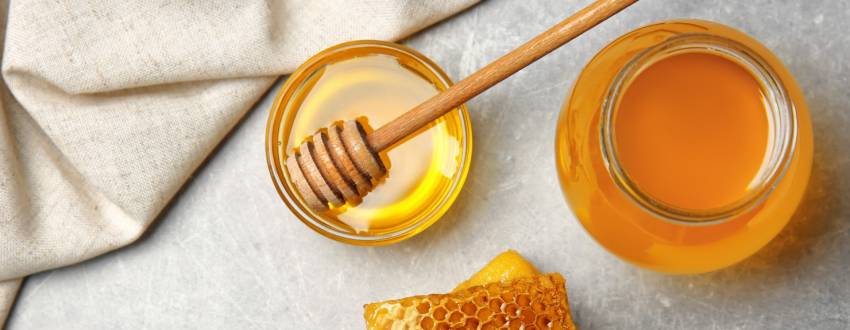
Is all honey kosher? It depends. Nowadays, most honey sold commercially is from bees and presumed kosher. Nevertheless, it must be pure honey without any accompanying names.
Since bees and presumably other creatures do not themselves produce the honey but rather transport from plants to hives, it is not a question as to whether the creature is kosher. It is in essence plant-based and should have kosher certification to assure that it is indeed pure.
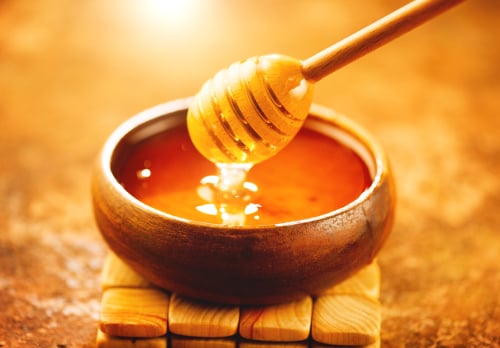
One must be particularly careful with imported honey to make sure that it is indeed honeybee. Other types of honey, like Melipona or Honeydew, must have a hechsher.
Sometimes a jar of plain honey will have a description on the label that describes it as being a blend of many different flowers, including forest honey. In this case, the company is merely attesting to the presence of forest honey, which is tested for by a laboratory. In this case, the OU permits the honey due to a variety of sefeikot (doubts). Therefore, the policy of the OU is to certify plain honey that mentions the presence of forest honey, but would not certify honey that is pure forest honey.


Photos from Our Community
See how these recipes turned out in real kitchens. Photos from home cooks will appear here as they're shared.
Tell Us What You Think
Your review could help someone decide what's for dinner tonight. Log in to join the conversation.
Log in to join the discussion0 Comments
Do you want to rate this post?
Edit your rating
Choose a new star rating and save it.
Moderation
Report
Kosher Comments
Kosher Comments
Add a link
Posting comment
Your comment will be posted in a moment...