


Place the beans, chickpeas, garlic, tahini, lemon juice, soy sauce, salt, cumin, cayenne pepper and white pepper into the bowl of a food processor fitted with a metal blade. Process for one minute.
Drizzle in one-third cup olive oil and water. Process again. Add more water as needed to thin the chummos to its desired consistency.
Transfer the chummos to a plastic or glass container; cover and chill in the refrigerator.
Cut each tomato in half and discard the seeds and juices.
Chop the halves into small dice, place into a small bowl and add the garlic, basil and olive oil to cover. Cover the bowl and place it in the refrigerator to give the flavors a chance to steep.
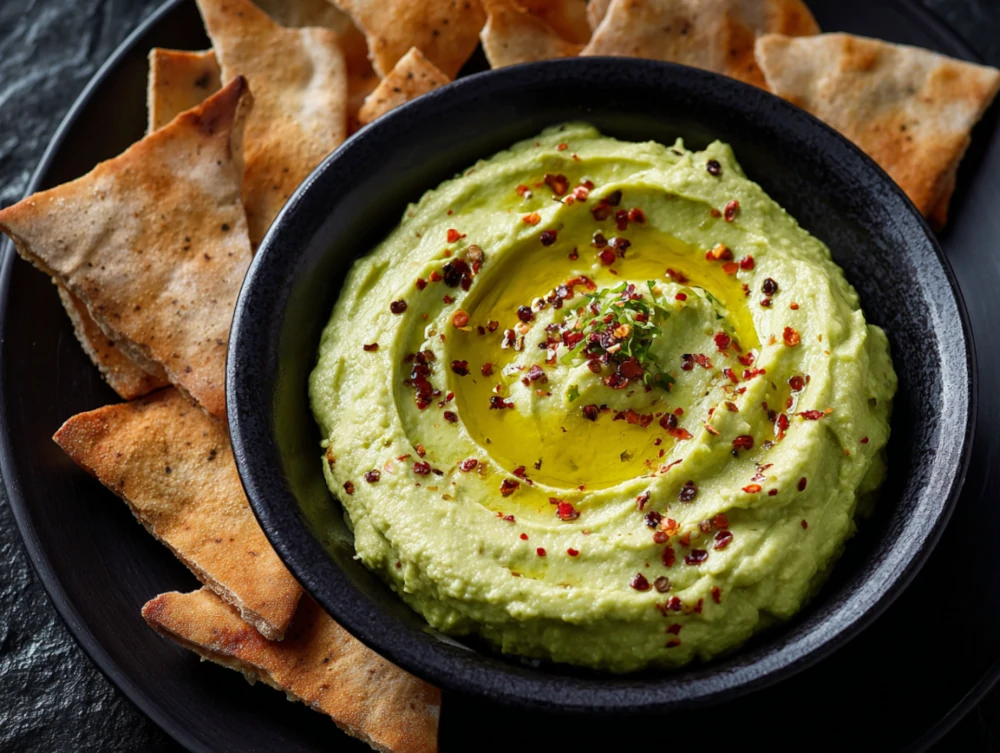
To serve, top the chummos with the steeped tomatoes. Serve with warm pita bread.
Directions
Acknowledgment
Description:
Reprinted from Kosher by Design Teens and Twenties by Susie Fishbein with permission from the copyright holder ArtScroll/Mesorah Publications, Ltd.





Photos from Our Community
See how these recipes turned out in real kitchens. Photos from home cooks will appear here as they're shared.
Tell Us How It Went: Share Your Experience
Your review could help someone decide what's for dinner tonight. Log in to join the conversation.
Log in to join the discussion0 Comments
Do you want to rate this post?
Edit your rating
Choose a new star rating and save it.
Moderation
Report
Kosher Comments
Kosher Comments
Add a link
Posting comment
Your comment will be posted in a moment...