
Please enter the email you’re using for this account.


 Dairy
Dairy Easy
Easy 40 Minutes
 Diets
Diets 
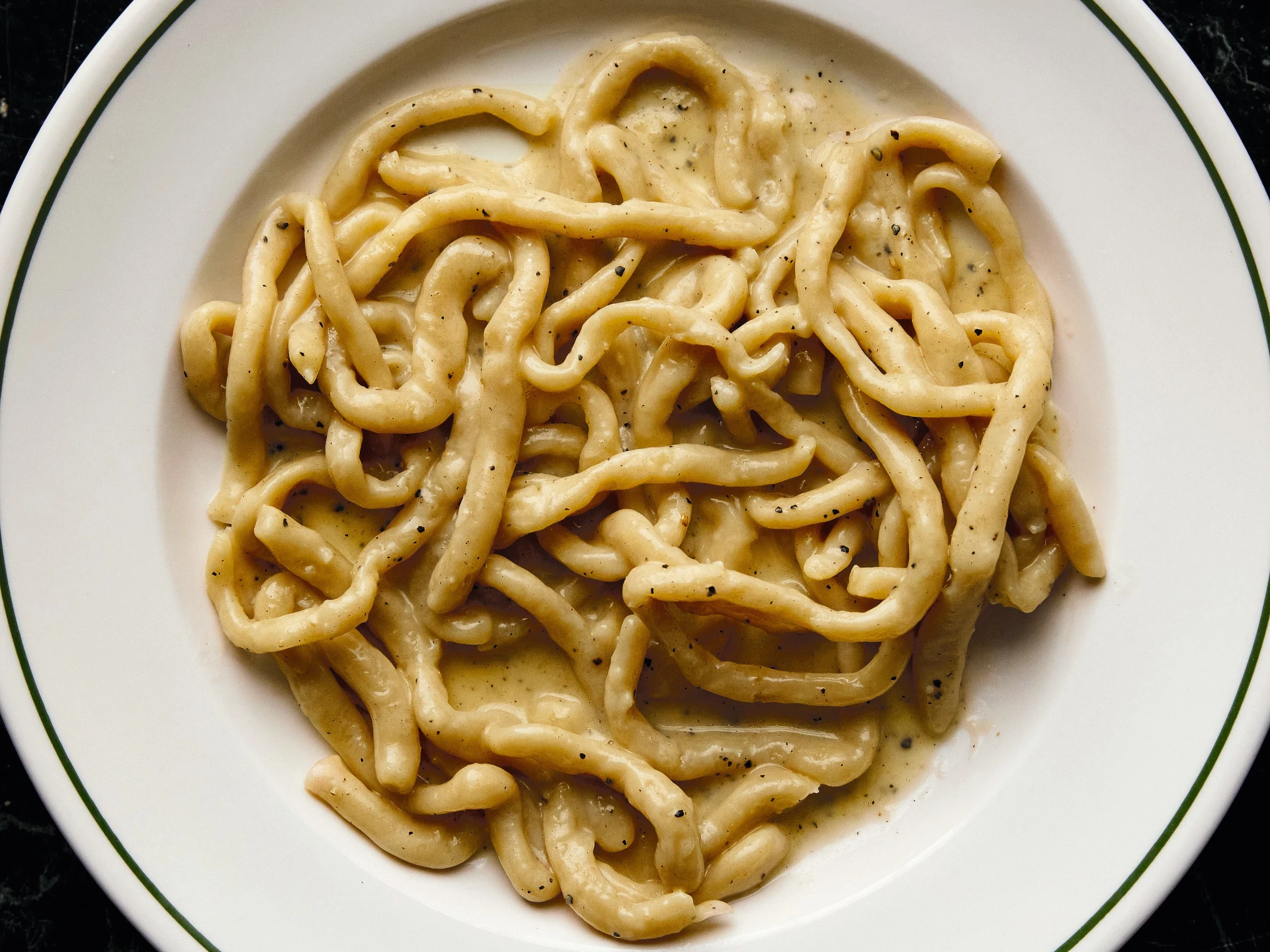
I’m eternally grateful for this dish because it caused a lot of noise when we first opened Padella and was the main reason we had queues around the block. Quite simply, it put us on the map.
I’m fully aware it’s different to the classic Roman recipe that uses pecorino Romano, pepper and water, which is totally delicious. And if I was opening Padella today, I would have called it ‘Pici with butter, Parmesan and black pepper’, because I didn’t know it would upset some people. The truth is, in a restaurant in Panzano, I saw an Italian chef add butter to their cacio e pepe and when I asked her why, she said, ‘because I’m not in Rome’.
The key to creating the smooth, oozy sauce is grating the Parmesan super- fine, and if you want to nail this recipe, I highly recommend you read my short explanation on melting Parmesan [in the cookbook]. Also, I toast the freshly cracked pepper in a dry pan to release the oils and make the flavour stronger – you want the pepper to tickle your nostrils when you eat the dish.
500 grams fresh pici (also works with: fresh tagliarini, fettuccine; dried linguine, spaghetti, bucatini, penne, rigatoni)
about 1 heaped teaspoon freshly cracked Gefen Black Pepper
110 grams unsalted butter, cubed
a squeeze of lemon juice (about 10 milliliters)
110 grams Tuscanini Parmesan, finely grated


For the pici, in a large cooking pot, bring four to five litres water to the boil and add a fistful of salt.
At the same time, in a pan large enough to easily hold all of the cooked ingredients, toast the freshly cracked pepper over a high heat for roughly 45–60 seconds or until you can smell the pepper, shaking the pan regularly to prevent it burning. Immediately add around 200 milliliters of the seasoned pasta water (it will sizzle) and take the pan off the heat for 30 seconds.
Put the pan back over a medium-low heat, add the butter with the lemon juice to melt gently, then take off the heat. (It’s important to keep it off the heat while you cook the pasta, so that the pan isn’t scorching hot when you add the Parmesan.)
Loosen the pici bundles through your fingers so they won’t stick together as they cook. Drop the pici into the boiling water and cook for around five minutes.
Drain the pici as soon as it’s ready, keeping two mugs of pasta water.
Transfer the cooked pici to the buttery pepper sauce, put the pan back over a medium heat and stir until fully coated. Don’t worry if it looks quite soupy at this stage; the sauce will thicken more quickly than you think.
Add the grated Parmesan to the pici and stir vigorously to melt it into the sauce. You should see a bit of steam rising out of the pan as you stir, so adjust your heat up if this isn’t happening. You might need to add small splashes of the reserved pasta water if the sauce needs loosening, stirring until you achieve a smooth, oozy sauce.
Once you’re happy with the consistency of the sauce, serve up the pasta on hot plates. Eat straight away.
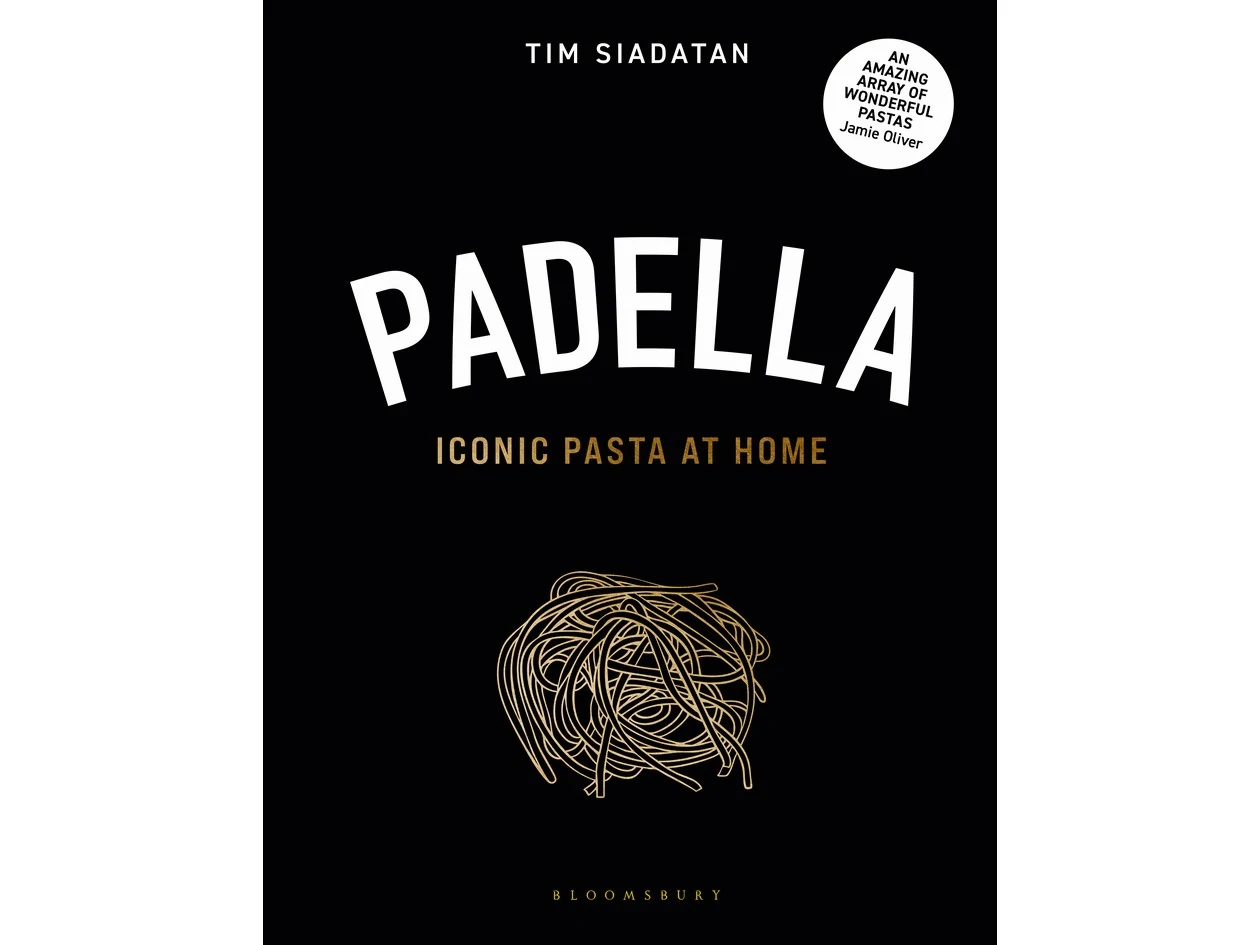
Padella: Iconic Pasta at Home by Tim Siadatan is out 11th September (Bloomsbury Publishing, Hardback, £25) Photography by Sam A Harris.
How Would You
Rate this recipe?
Fast answers grounded in site content.


When leaving comments on kosher.com we ask that you be respectful, appropriate, and stay on topic. Click here to read our full comment policy.
Kosher.com Commenting Guidelines
We love hearing from our community! Constructive feedback, tips, questions, and friendly engagement are encouraged.
By commenting on Kosher.com, you agree to follow these guidelines. Please note that comments are for community discussion only and should not be considered halachic guidance—always check with your own Rabbi or LOR.
1. Be Respectful
2. Keep It Appropriate
3. Protect Privacy
4. Stay On Topic
5. Moderation